
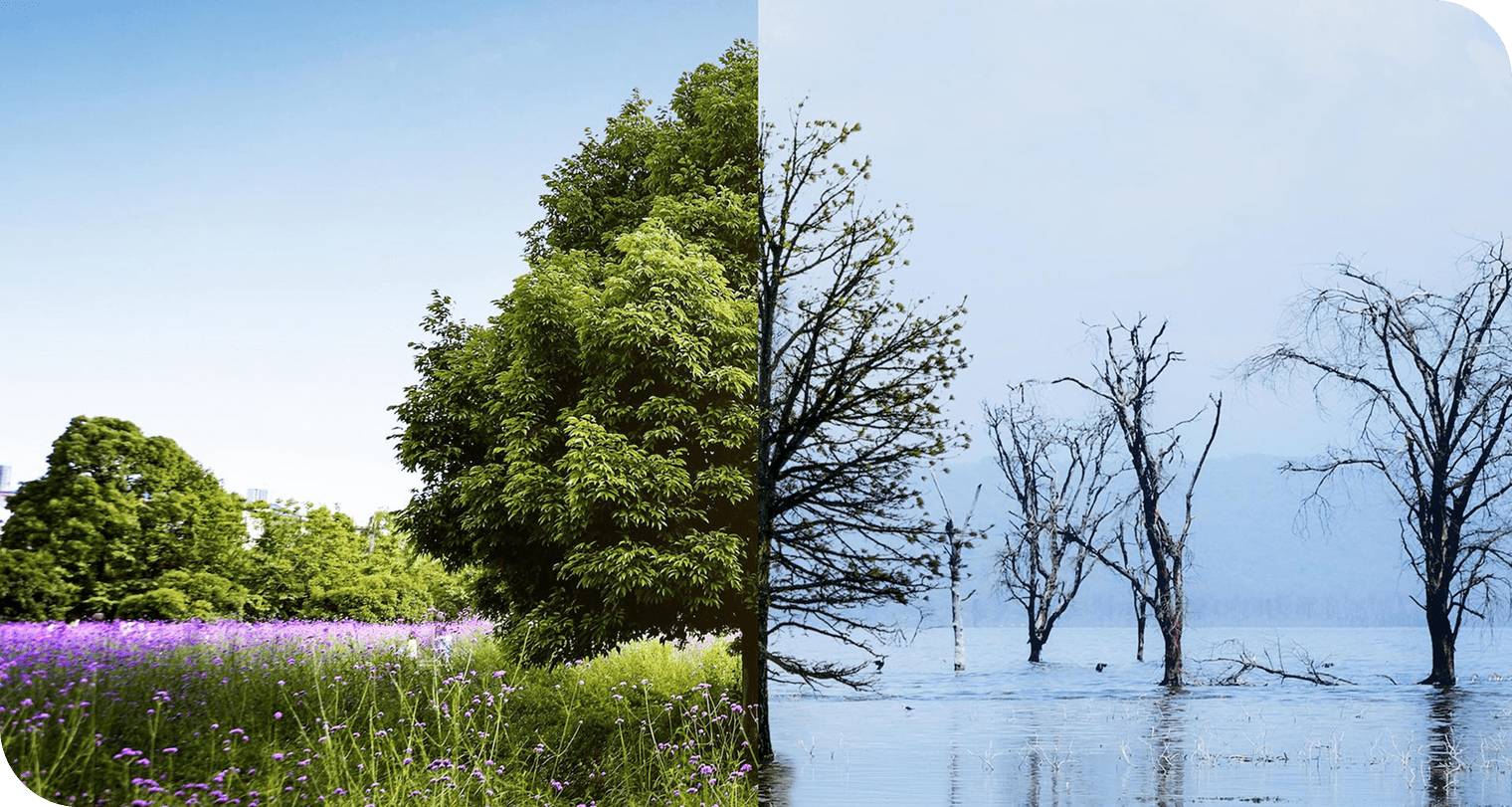
As we move into December, it’s worth pausing to reflect on a crucial climate milestone that went largely unnoticed this year.
Natural resources have their limits, and this year, long before autumn even began, humanity had already exhausted them by August 2, known as Earth Overshoot Day.
In Italy, the date came even earlier, on May 15. While Italian exports, from fashion to food, are celebrated worldwide, we can safely say that if the entire world followed Italy’s environmental footprint, we would collectively need almost three planets to sustain our lifestyles.
But where does this pivotal date come from? Earth Overshoot Day is calculated by the Global Footprint Network, an international organization that uses scientific tools to measure how many days the planet’s biological capacity can meet humanity’s ecological demand.
This year, while many of us were on summer holidays, the world slipped further into ecological debt. And we can no longer postpone the essential actions needed to reduce our emissions. We must think about the legacy we are leaving to our children and future generations, starting today.
Understanding Resource Depletion and Its Impact
In our daily lives, we might not have noticed many changes before or after August 2. We might wonder how we could have exhausted our resources when they still seem to surround us.
While it’s true that change is not immediately visible in our everyday routines, the Earth has surpassed its capacity to regenerate enough natural resources to offset the impact we’ve had on it.
What does this mean?
It means we have fished more than the oceans can reproduce in a year, inevitably driving some marine species toward extinction.
It means we have consumed more freshwater than rivers can replenish, leaving an ever-growing number of communities in certain regions without enough clean water.
It means that through our deeply ingrained consumption habits, we have released more carbon into the atmosphere than forests and oceans can absorb, inevitably raising global temperatures and leading to extreme weather events that cause fear and devastation in cities.
It means we have converted too much land into urban or agricultural areas, grown more food than the soil can sustain, and neglected the consequences for biodiversity.
It means a lot.
And it also means a lot for disadvantaged populations in some developing countries, who contribute minimally to climate emissions but face the harshest consequences of developed nations’ habits. Think of the people of the Polynesian islands, facing the real prospect of the ground beneath their feet sinking, or of the droughts in East Africa forcing communities to migrate.
Even if we don’t see these resources disappearing around us from one day to the next, these populations certainly do.
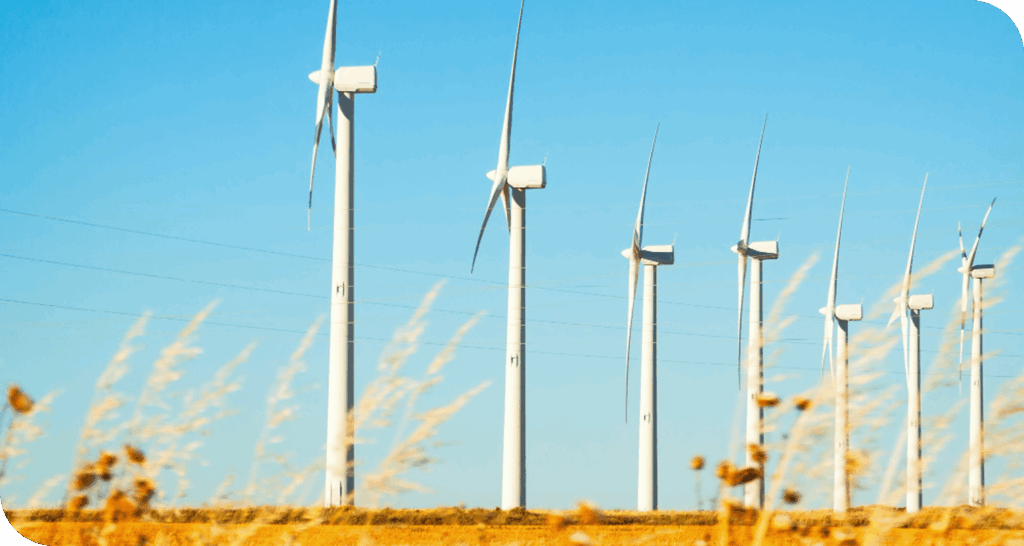
Rethinking Our Impact: A Call to Action
Earth Overshoot Day is not about blame — it’s a call to action. It urges us to change our trajectory so that we can avoid difficult conversations with our children, who might otherwise be forced to live through daily heatwaves, floods, storms, and droughts in an uninhabitable world.
What can we do to push back that August 2 date next year?
As individuals, we can:
- Rethink our use of plastic in all aspects of life, from what we put in our shopping carts to the synthetic clothing we buy from fast fashion brands.
- Choose more sustainable modes of transportation, such as public transit or electric vehicles.
- Limit our purchases to essentials and prioritize buying local products.
- Make recycling a natural, instinctive habit.
- Reduce our meat consumption.
As organizations, our responsibilities are even greater. For businesses of every shape and size, it is essential to embed sustainability as a core strategic objective — one that doesn’t stand alone but resonates through every part of the organization.
This means implementing thoughtful, well-planned sustainability strategies that address all dimensions — environmental, social, and economic.
A collective responsibility: not steps, but leaps forward!
At this critical moment, one or two steps forward are simply not enough. We must all take bold leaps to become part of the solution and redefine our relationship with the planet.